

The 31 Chess Personality Types
Every chess player has a style — and most styles map cleanly to one of 31 archetypes inspired by the greatest players in history. Browse all archetypes below, or take the free chess personality test to find out which one is yours.
What Is a Chess Personality Type?
A chess personality type is a pattern in how you actually play chess — your tactical tendencies, opening preferences, endgame instincts, and how you handle risk. These patterns are remarkably stable across games and rating levels, which is why chess historians can identify Tal-like sacrifices, Karpov-like squeezes, and Fischer-like precision even in amateur play.
The Chessiverse system uses 31 archetypes, each modeled on a historical chess legend. Eight underlying dimensions (opening creativity, tactical aggression, endgame seeking, risk tolerance, and four others) define each archetype's playing style. To find your own, the free personality test analyzes your real games and matches you to the closest archetype.
Aggressive Attackers
Players who chase initiative, target the king, and prefer sharp tactical positions where the opponent must defend accurately or lose.


The Relentless Aggressor
Mikhail Tal
Magical, intuitive sacrificial attacks with nonstop pressure
Read profile →
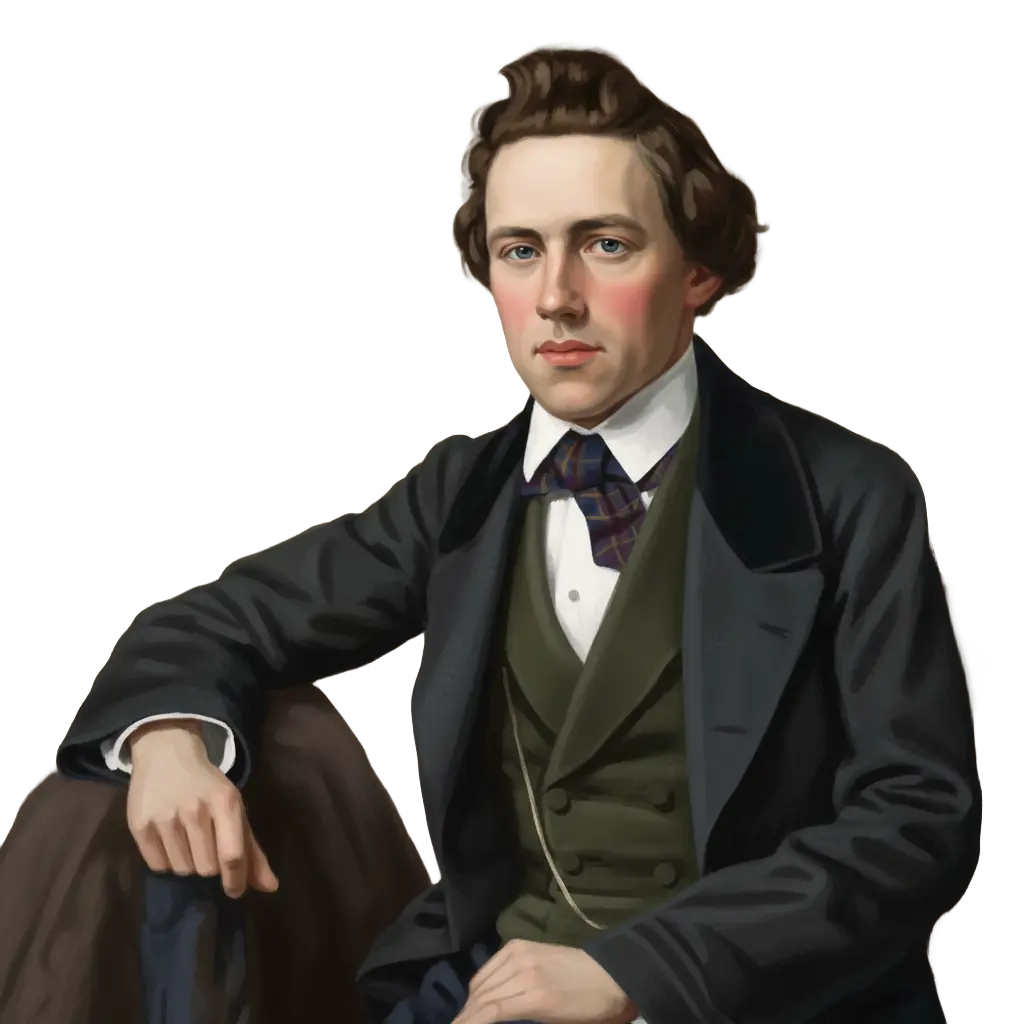
The Romantic Attacker
Paul Morphy
Brilliant sacrificial attacker, emblem of the Romantic era
Read profile →

The Kingside Roller
Judith Polgar
Direct attacking play, aggressive and forcing with clear tactical themes
Read profile →
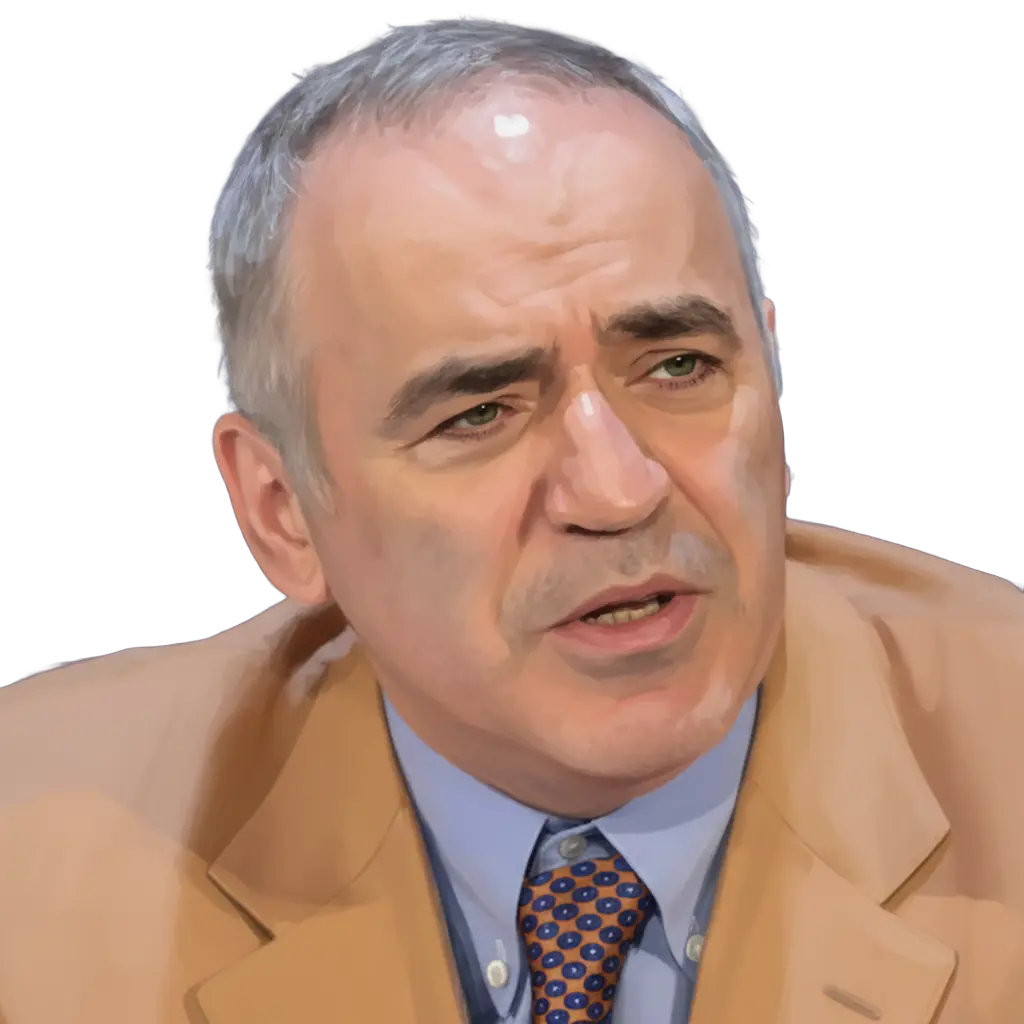
The Firebrand
Garry Kasparov
Explosive preparation, initiative-based aggression, attacking dominance
Read profile →

The Energetic Aggressor
Veselin Topalov
Sharp, forcing play; avoids endgames and seeks dynamic imbalance
Read profile →Tactical Wizards
Combinational players who thrive on calculation, sacrifices, and chaos — wins come from finding the move opponents miss.


The Mad Tactician
Alexei Shirov
Chaotic attacker, speculative sacrifices, thrives in complications
Read profile →

The Opening Trapster
David Bronstein
Specialist in sharp traps and short tactical wins in the opening
Read profile →
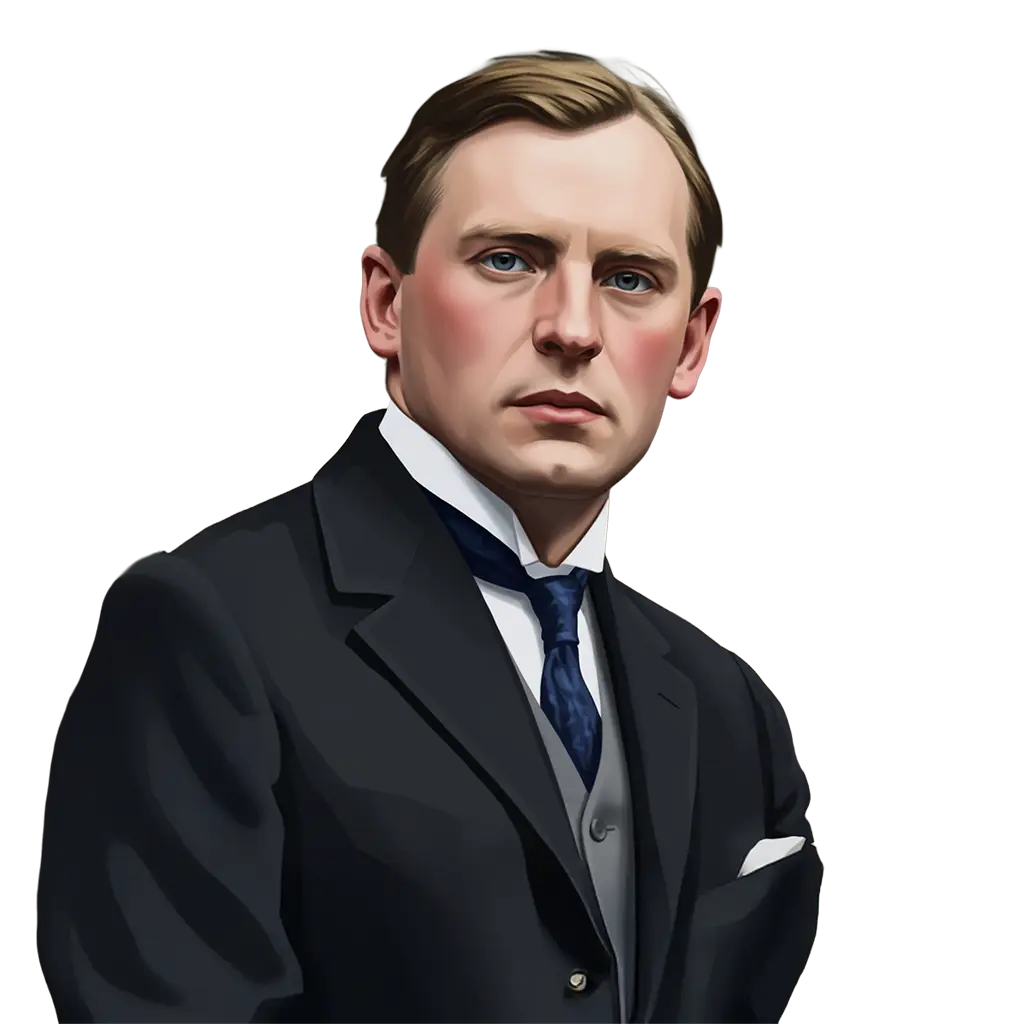
The Chaotic Visionary
Alexander Alekhine
Creative strategist, deep combinations, wild middlegames
Read profile →

The Practical Swindler
Viktor Korchnoi
Relentless fighter who squeezes wins from lost positions and never gives up
Read profile →Hypermodern Innovators
Players who reject classical center occupation, instead inviting the opponent to overextend before counterattacking.

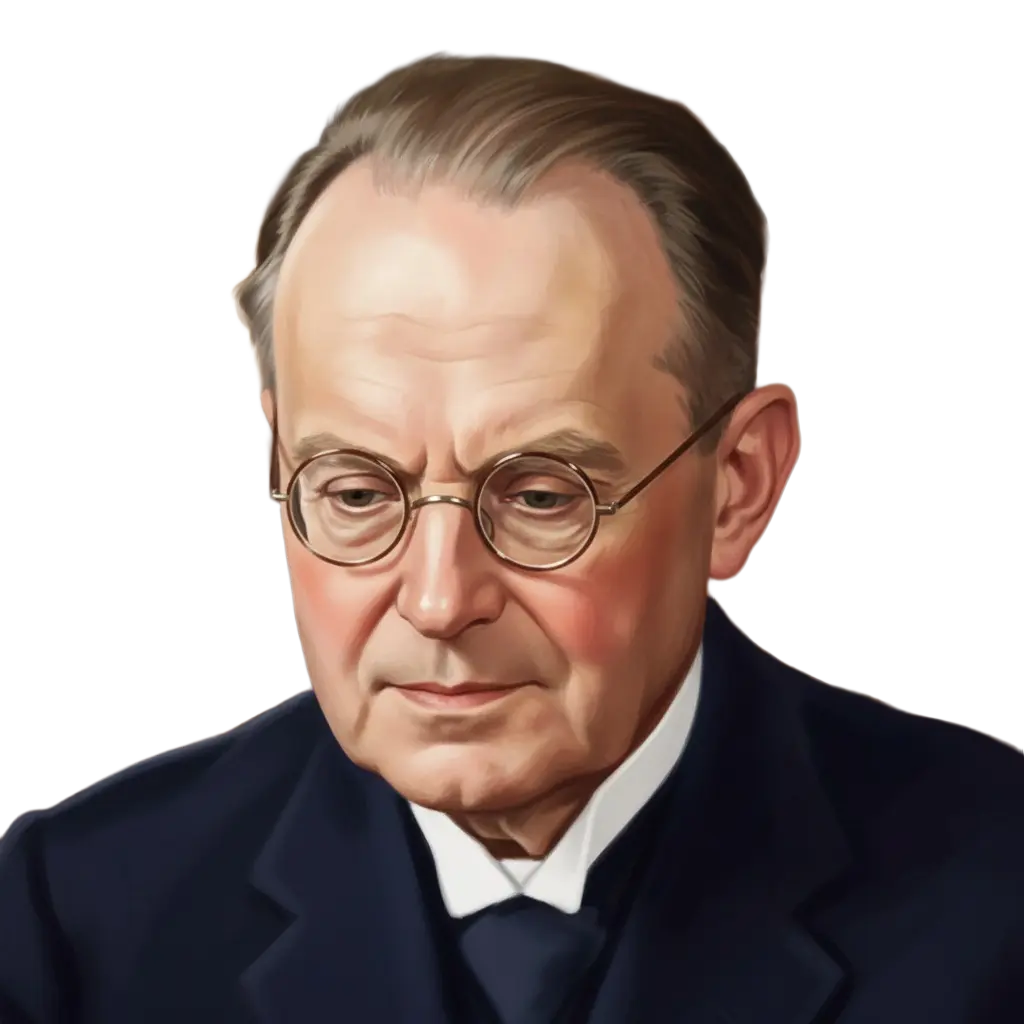
The Hypermodern Blockader
Aron Nimzowitsch
Master of restraint, blockades, and overprotection with creative logic
Read profile →
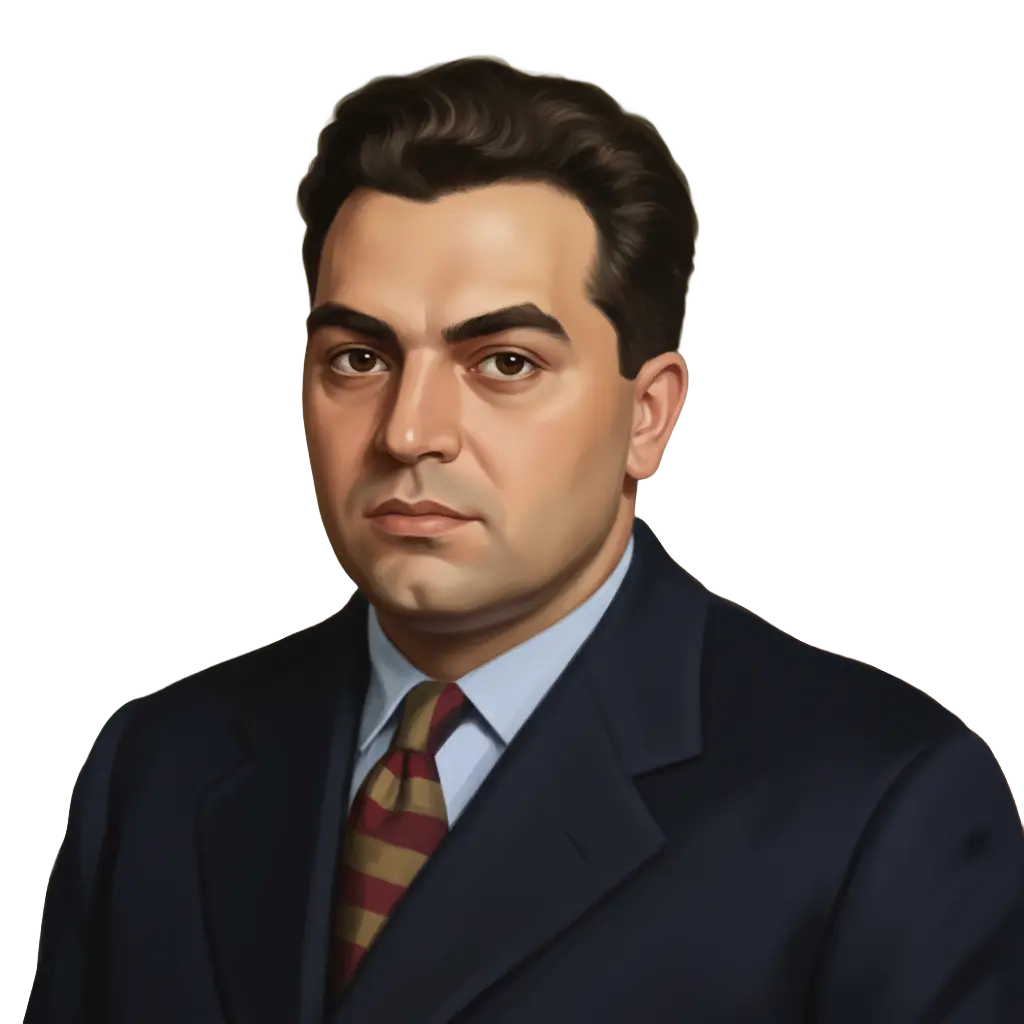
The Creative Maverick
Richard Reti
Unorthodox hypermodern pioneer who disrupts classical principles
Read profile →
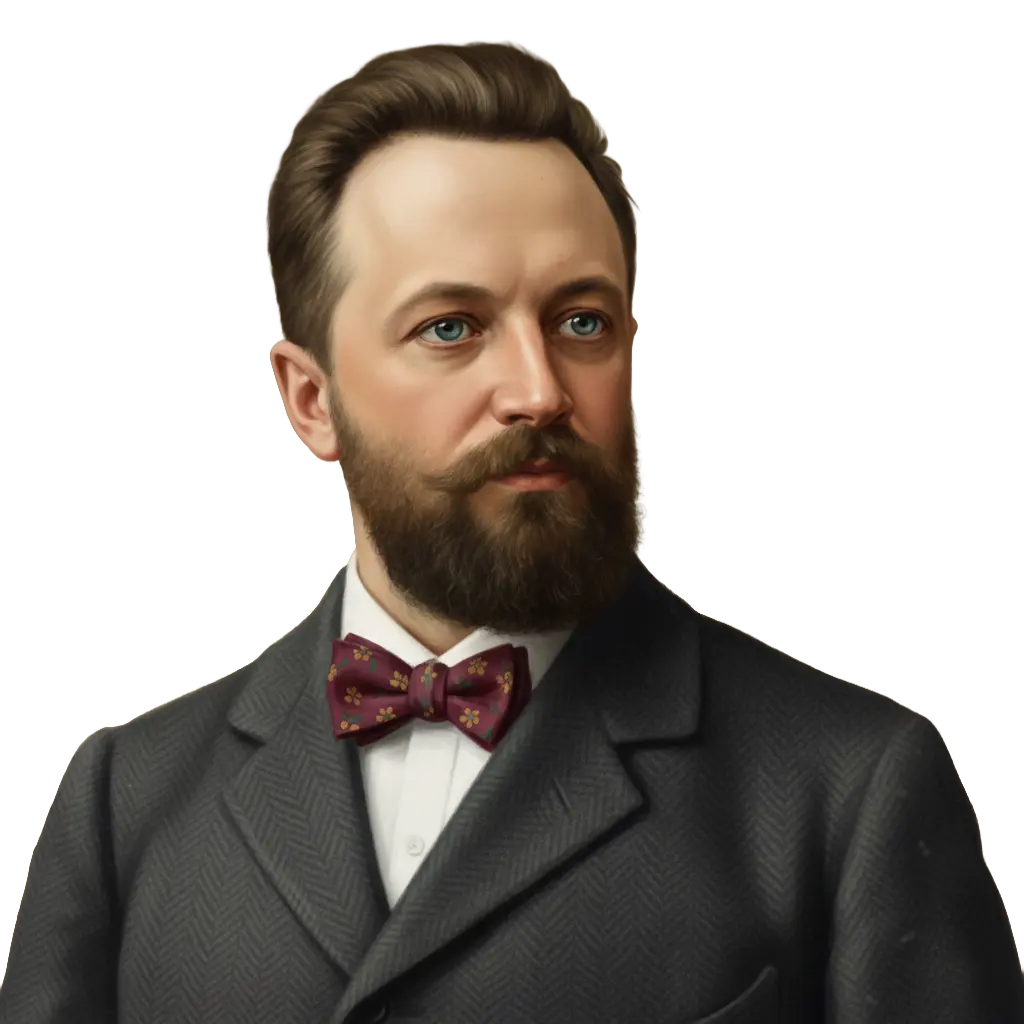
The Counterattacking Lion
Mikhail Chigorin
Defies principles, invites attack, then counterstrikes explosively
Read profile →Universal Adapters
Style-flexible players who handle every type of position well — they grind endgames when needed and attack when given the chance.


The Universal Genius
Magnus Carlsen
Adaptive all-rounder, squeezes endgames, wins from nothing
Read profile →
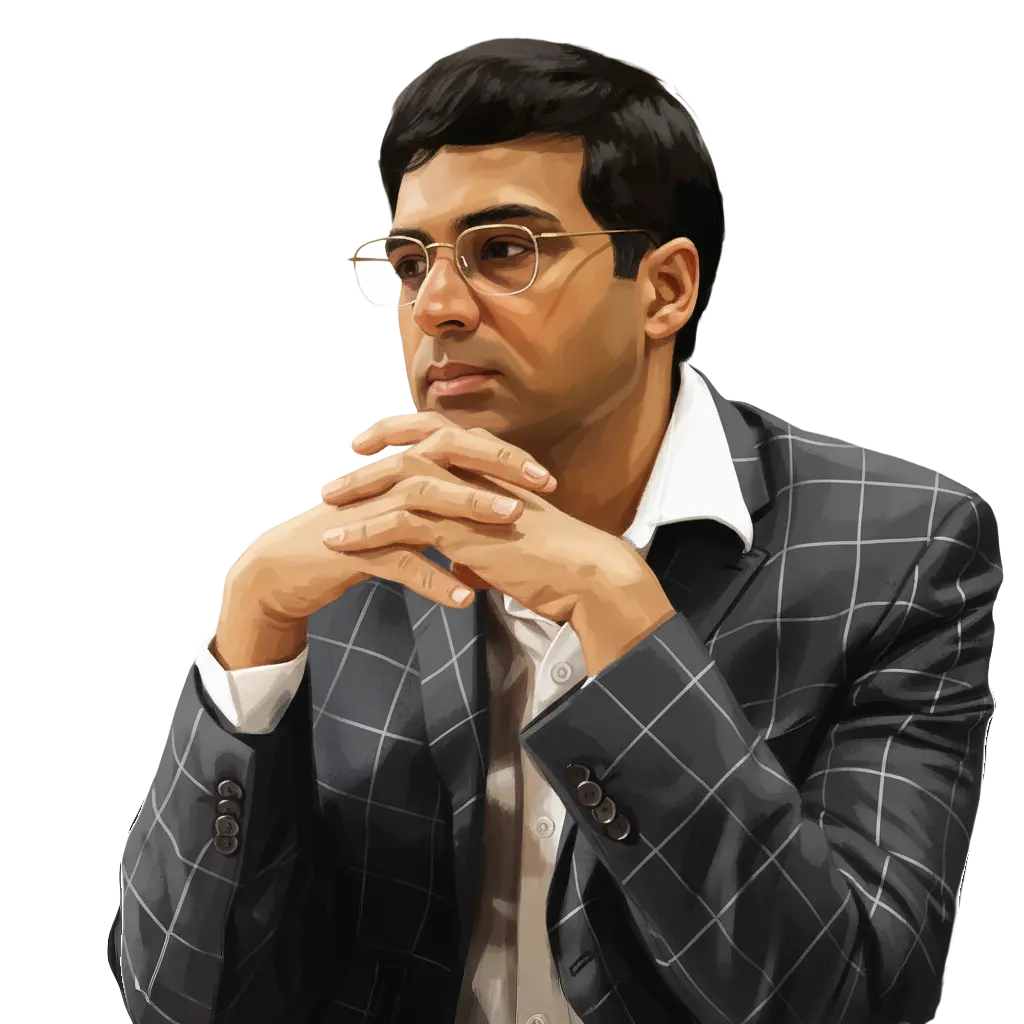
The Dynamic Professional
Viswanathan Anand
Speed, precision, balanced but explosive when needed
Read profile →

The Counterpunching Technician
Paul Keres
Smooth classical technique with opportunistic counterattacks and clear plans
Read profile →

The Symmetry Master
Boris Spassky
Elegant, universal style with clean structures and harmonious symmetry
Read profile →Positional Masters
Strategic players who accumulate small advantages, exploit weak squares, and win through superior piece placement rather than tactics.

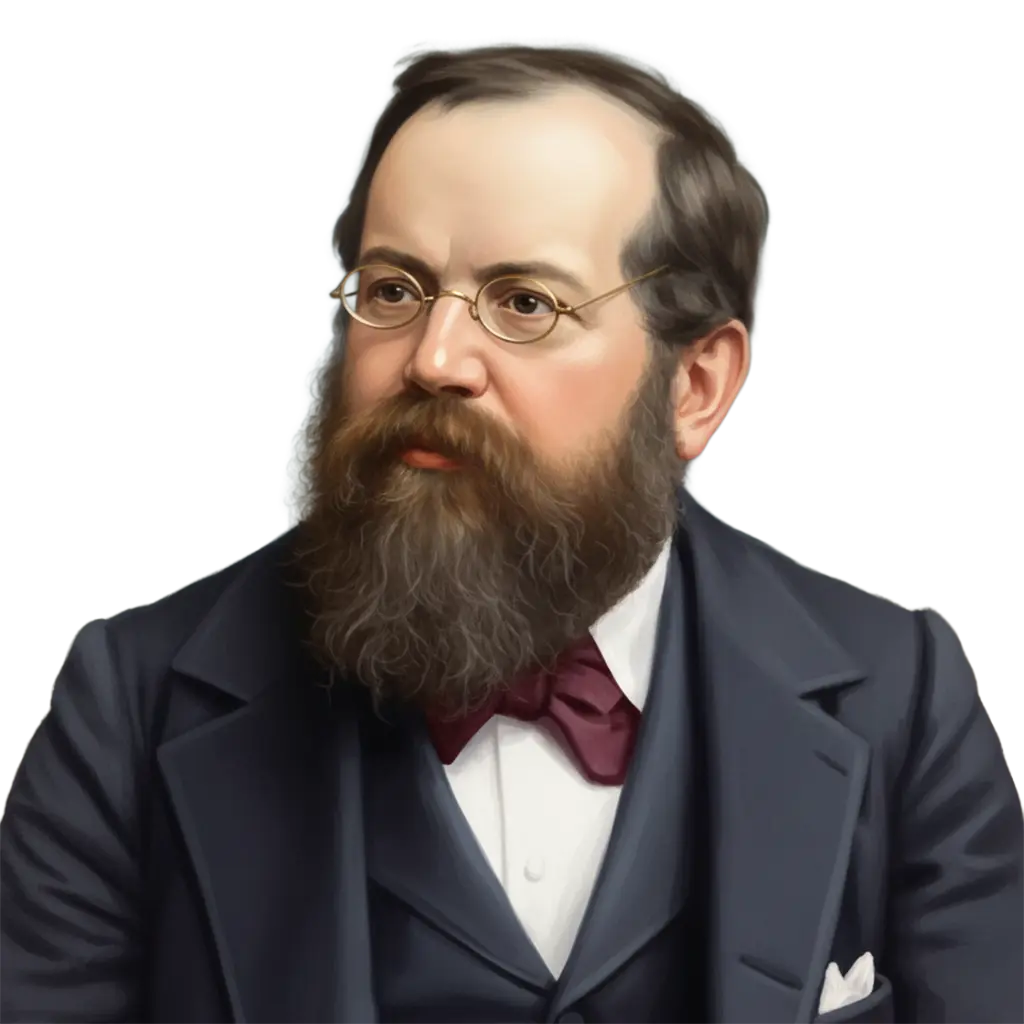
The Positional Scientist
Wilhelm Steinitz
Father of positional theory and early scientific principles
Read profile →
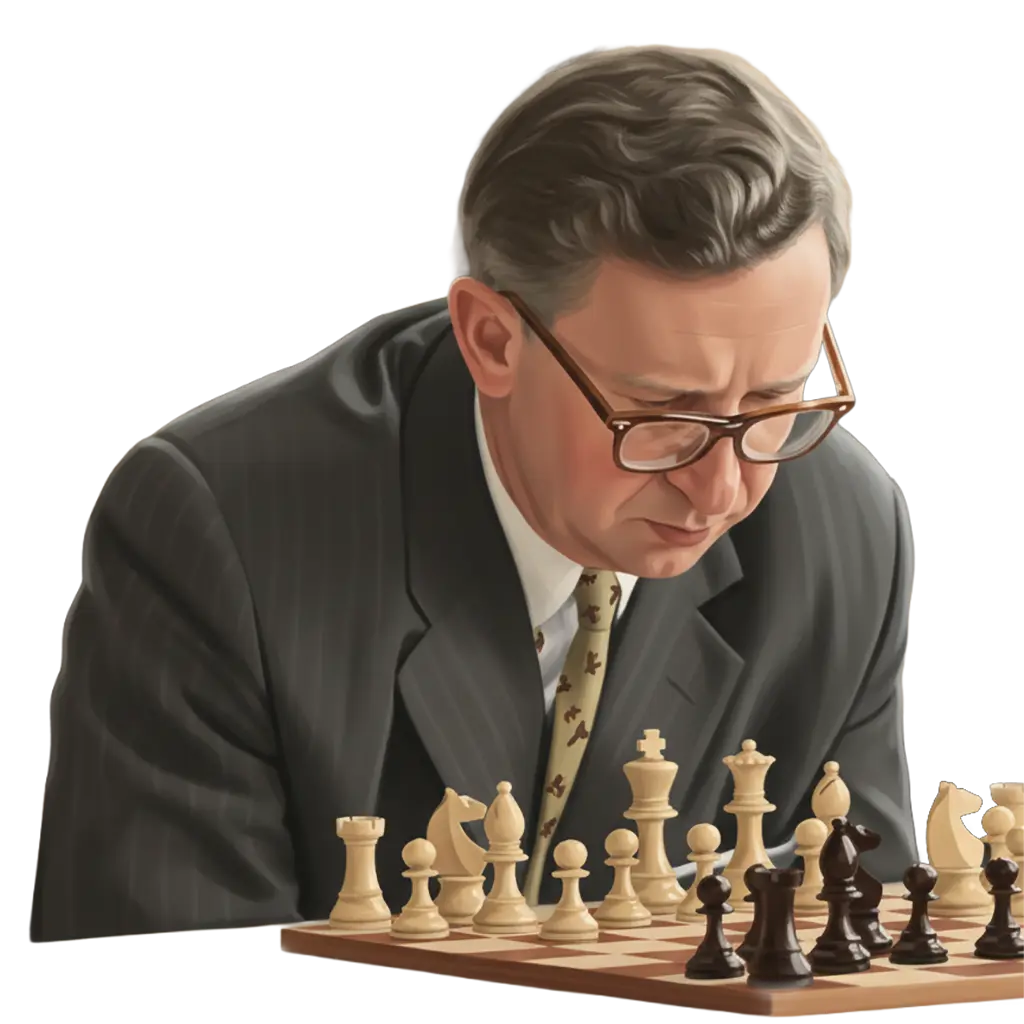
The Positional Artist
Vasily Smyslov
Harmonious, natural positional play with perfect coordination
Read profile →
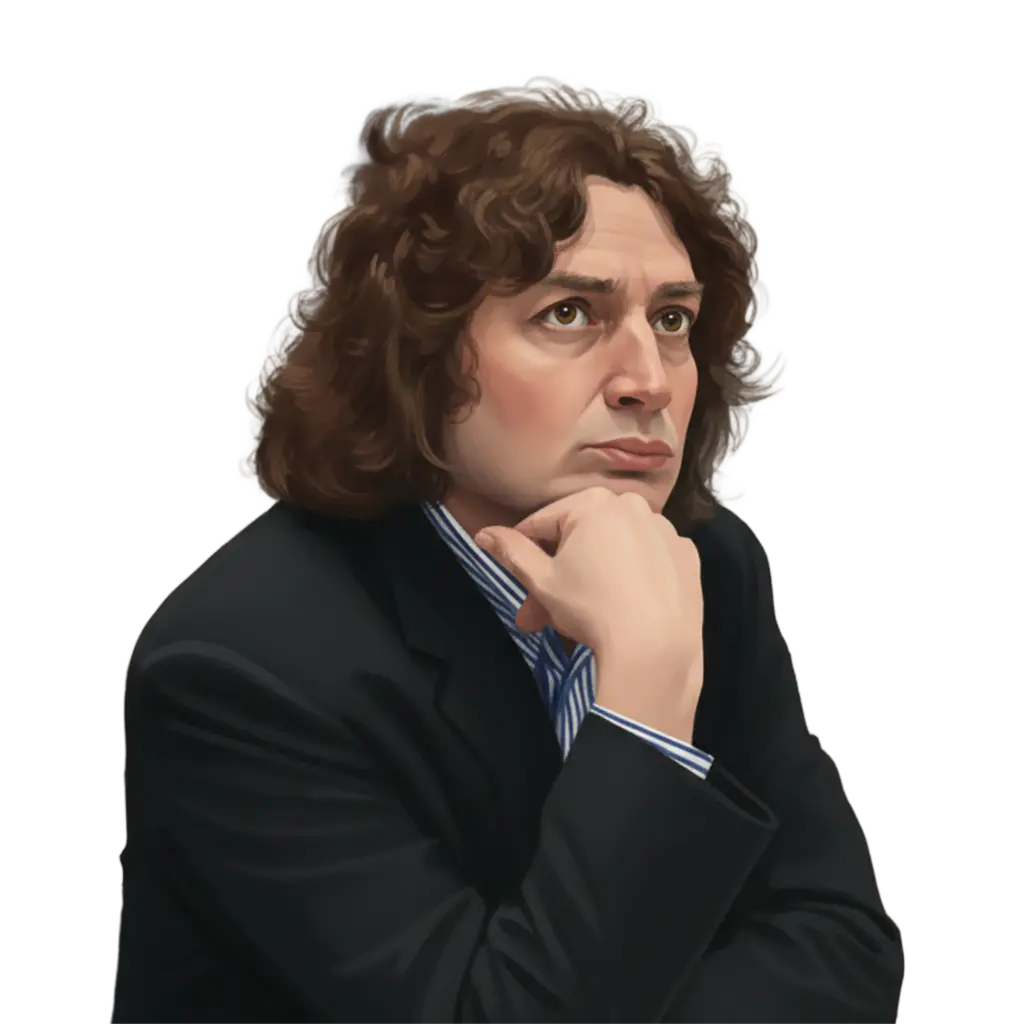
The Strategic Squeezer
Jan Timman
Deep strategic player who accumulates small advantages methodically
Read profile →
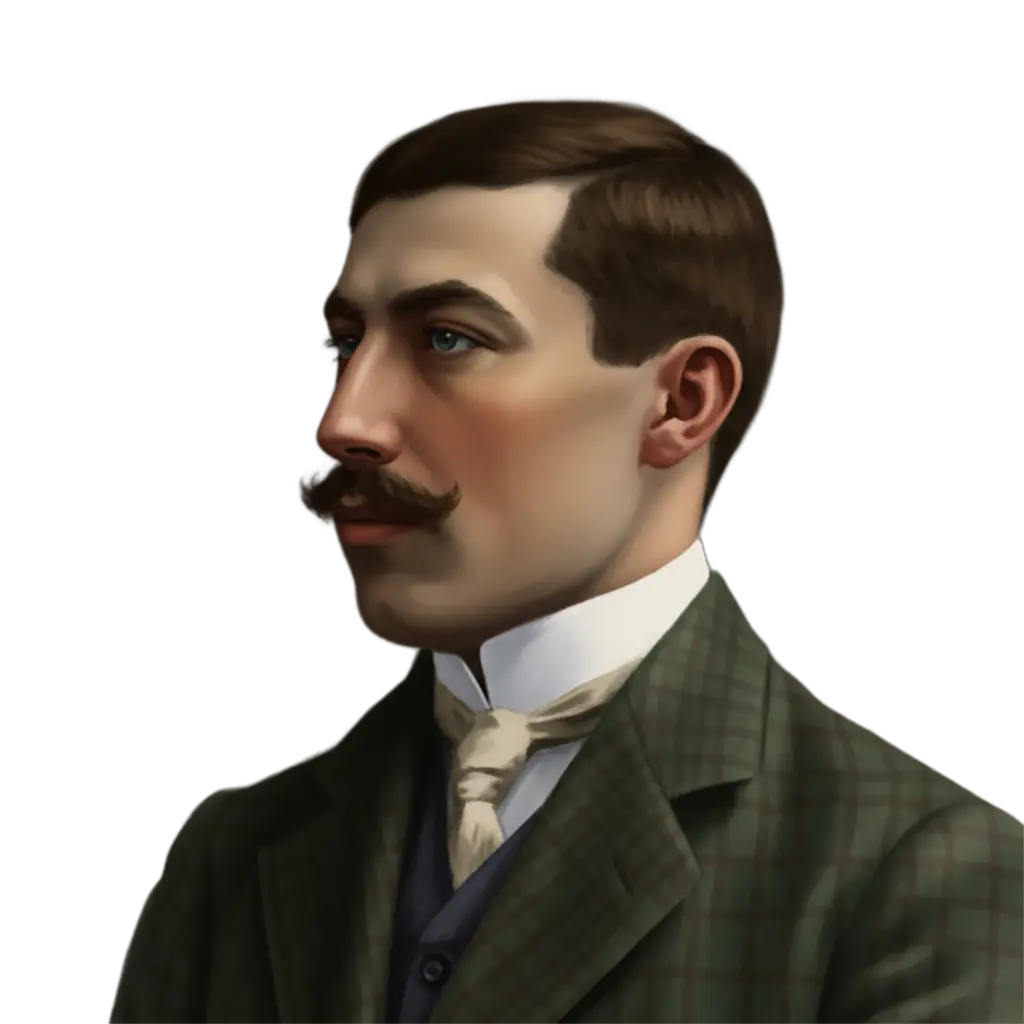
The Classical Harmonizer
Akiba Rubinstein
Pure harmony and simplicity, avoids complications and keeps structure clean
Read profile →

The Positional Rock
Samuel Reshevsky
Quiet fundamentals, clean play, avoids chaos and unnecessary complexity
Read profile →Defensive Strategists
Players who prioritize safety, build fortresses, and grind opponents down across long endgames. Tough to beat, slow to lose.

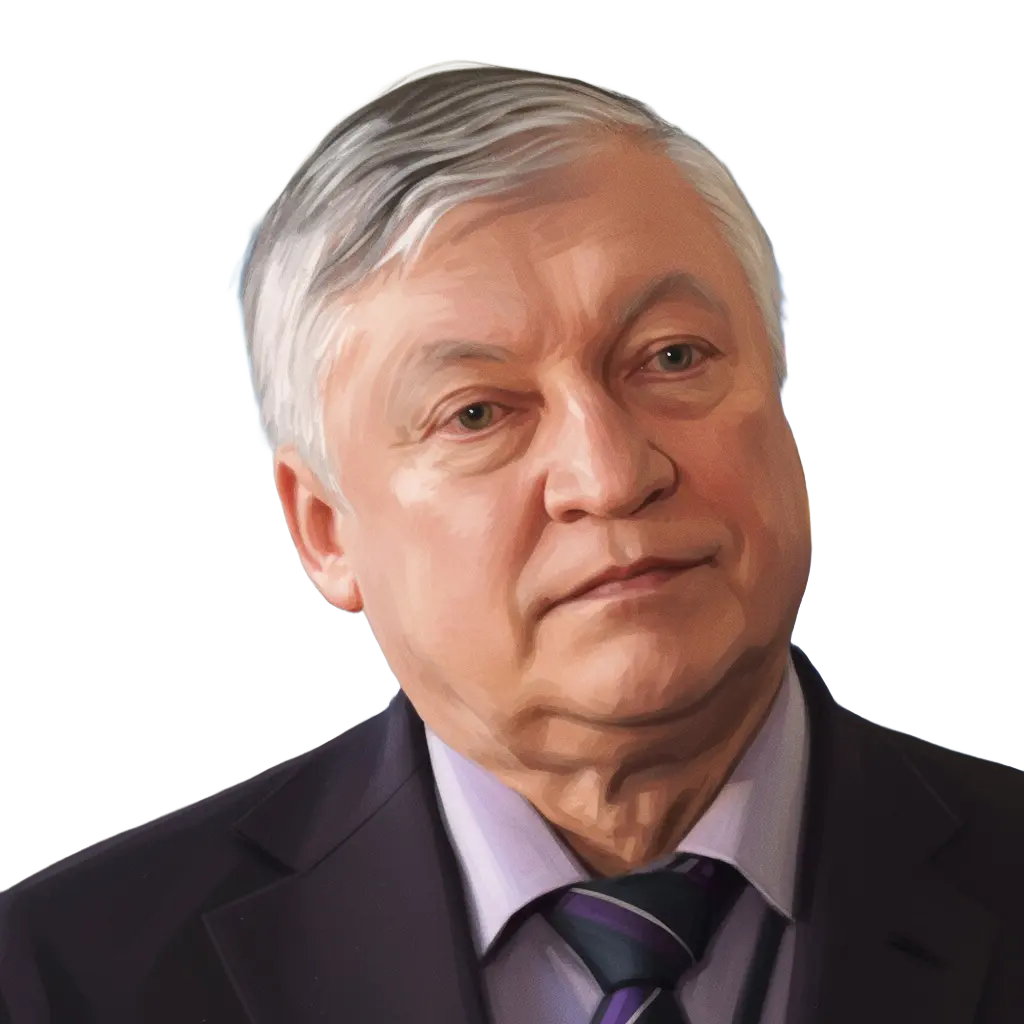
The Boa Constrictor
Anatoly Karpov
Positional strangulation, small advantages, zero risk
Read profile →
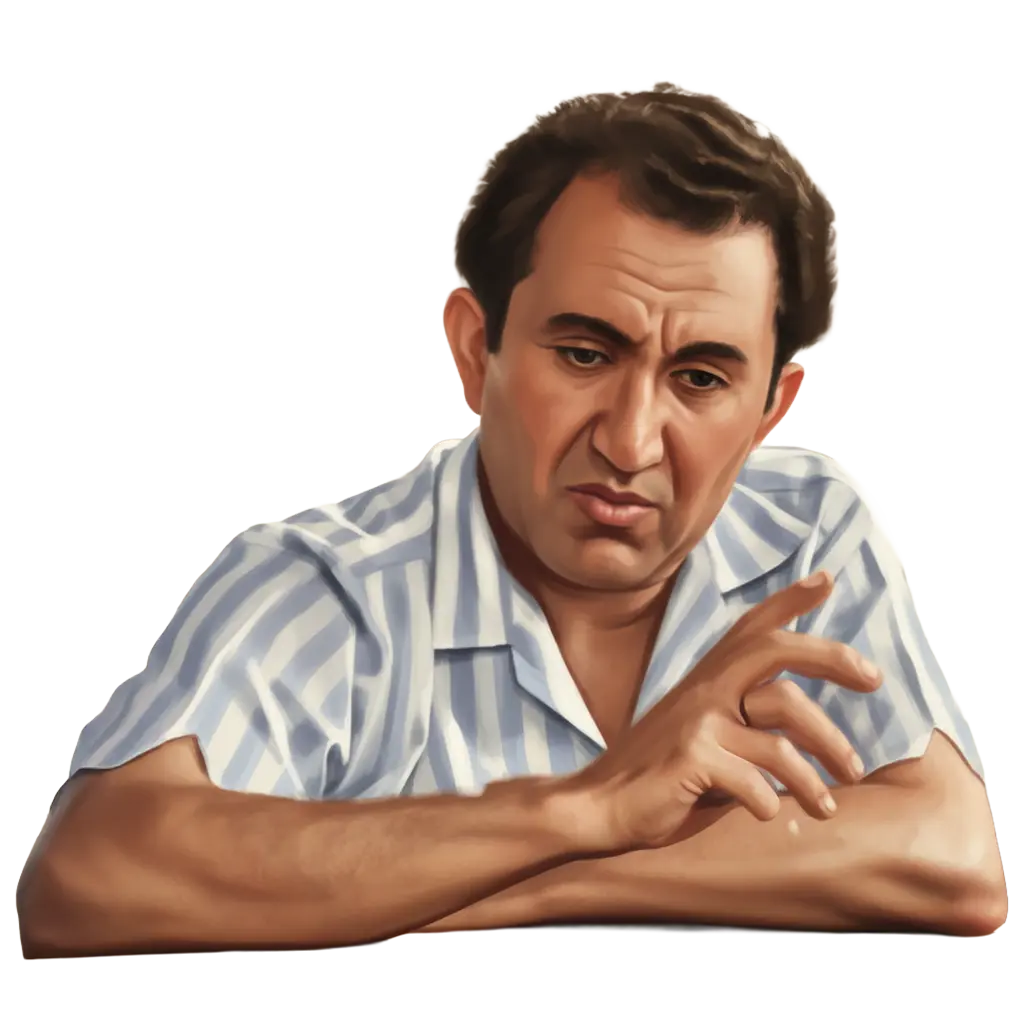
The Iron Wall
Tigran Petrosian
Ultimate defender, prophylaxis master, anti-tactics
Read profile →
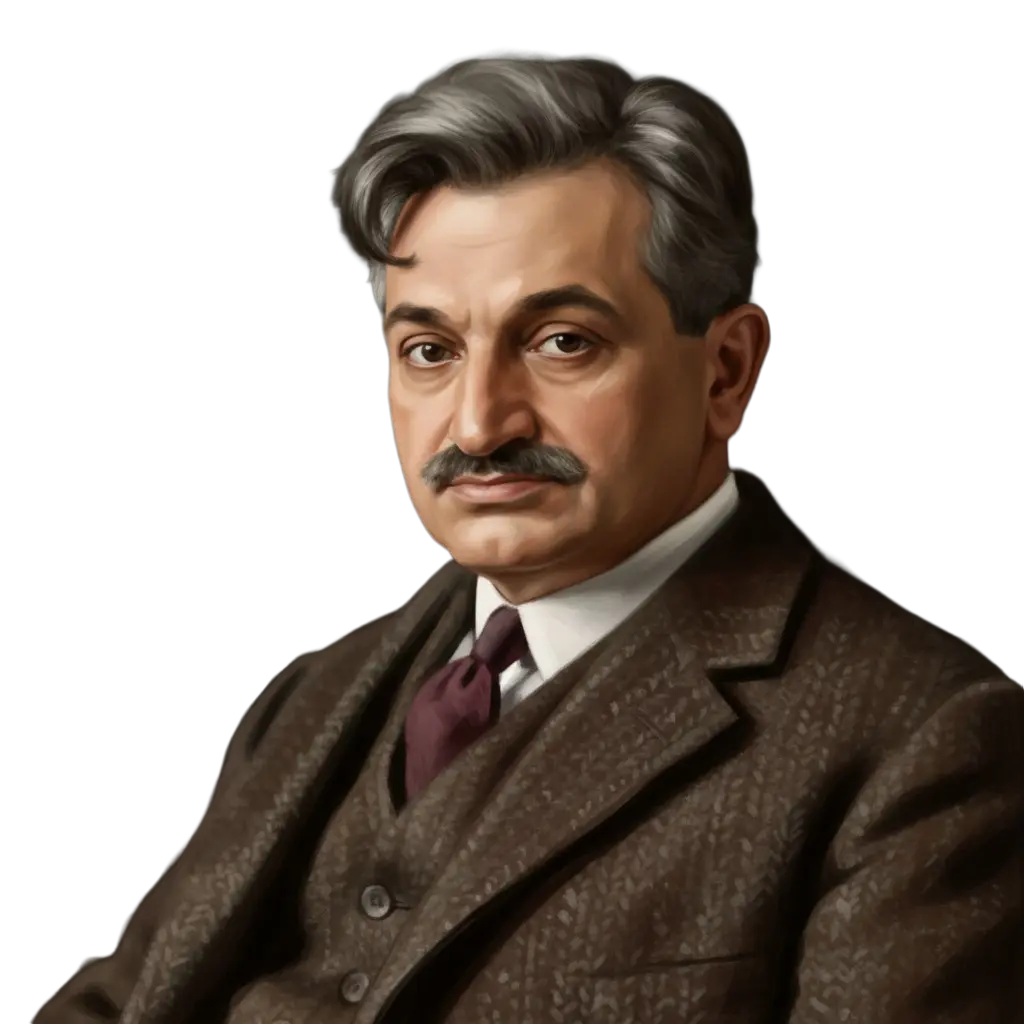
The Neutralizer
Emanuel Lasker
Psychological master who dismantles opponents' plans and simplifies
Read profile →

The Fortress Builder
Max Euwe
Ultra-solid, rule-based classical play with minimum risk
Read profile →Endgame Experts
Players who steer games into endgames where technique decides the result — small advantages converted with precision.
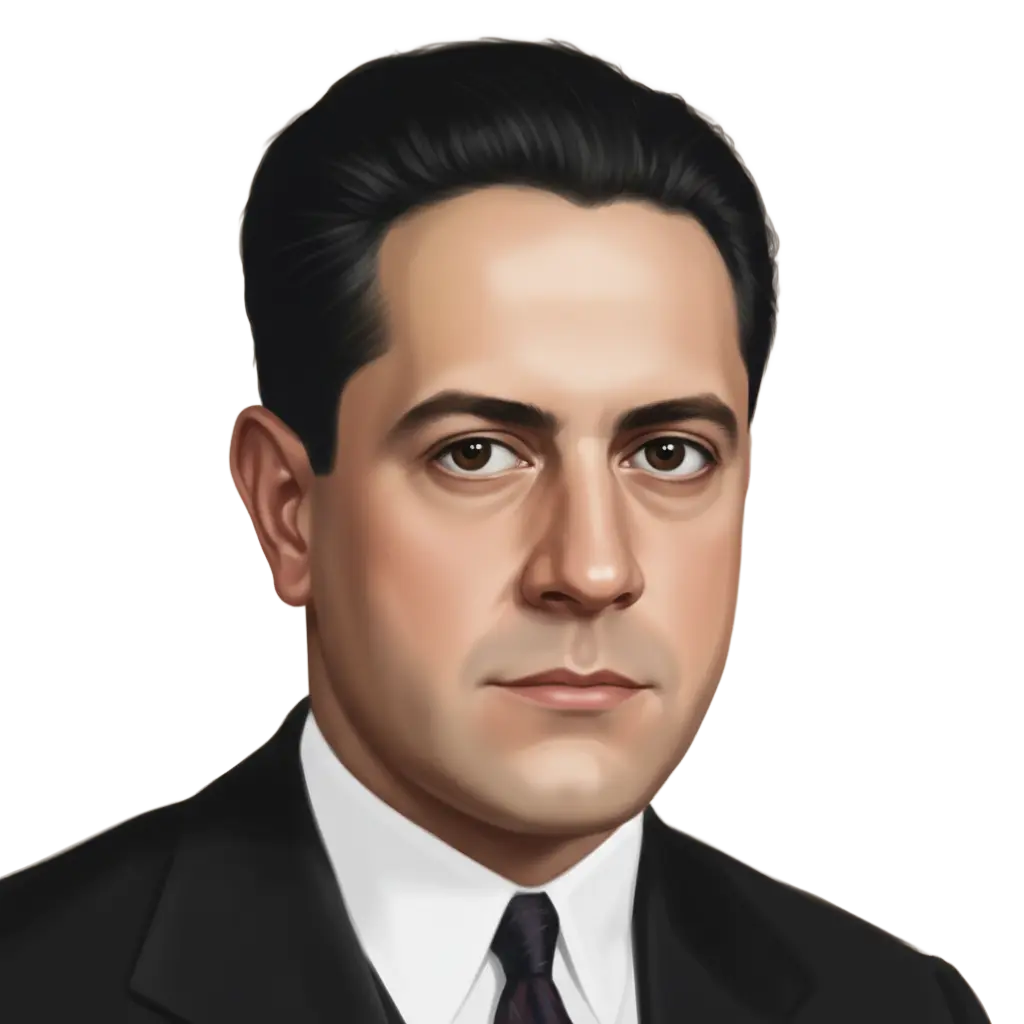
The Endgame Surgeon
José Raúl Capablanca
Effortless simplicity, clean positions, perfect endgame technique
Read profile →

The Endgame Grinder
Ulf Andersson
Slow, quiet, ultra-positional grinder who wins microscopic endings
Read profile →

The Practical Fighter
Hikaru Nakamura
Direct practical play, avoids early endgames, favors clarity over theory
Read profile →Precision Calculators
Players who win through deep, accurate calculation and rigorous preparation rather than intuition or surprise.


The Relentless Perfectionist
Bobby Fischer
Dominating precision, deep theory, forcing play and perfect fundamentals
Read profile →

The Opening Scientist
Mikhail Botvinnik
Strict classical principles, scientific openings, textbook strategy
Read profile →
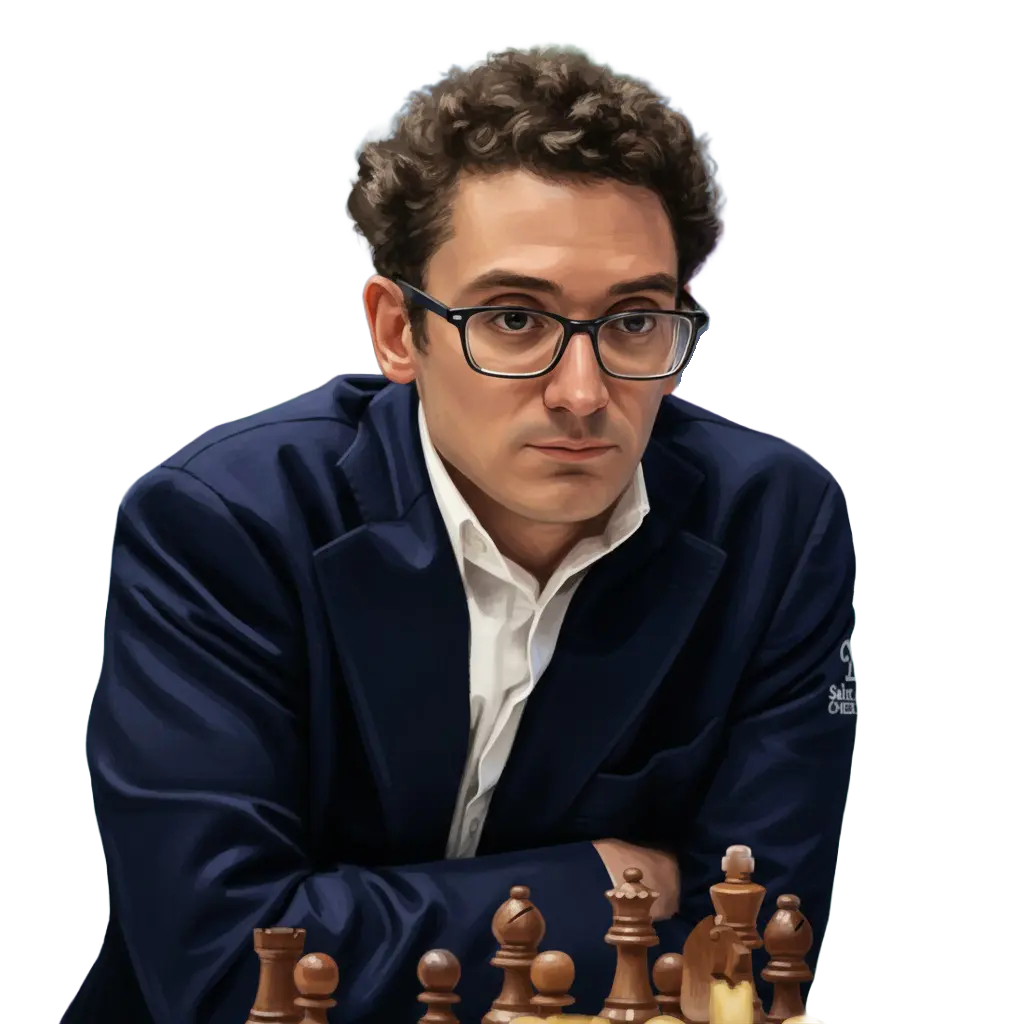
The Calculating Machine
Fabiano Caruana
Hyper-precise calculation and deep theory with controlled risk
Read profile →How to Find Your Chess Personality Type
The fastest way is the free Chessiverse personality test. You provide a Chess.com or Lichess username (or upload a PGN of your games) and the analyzer looks at your real moves across opening, middlegame, endgame, and temperament dimensions. The result is your closest archetype match, plus a percentage similarity score and a list of related and opposite archetypes.
Once you know your type, you can use it to:
- Pick openings that fit your style (an Iron Wall doesn't want to play the Kingside Roller's gambits)
- Find chess bots that match your style for comfortable practice, or that challenge it for deliberate stretching
- Recognize and fix weaknesses (most amateurs lose to the same kind of opponent over and over — knowing your archetype reveals which kind)
- Choose study material — tactical players benefit from different training than positional grinders
For deeper guidance on how personality affects training, read How Your Chess Personality Affects Your Improvement.
Chess Personality Types FAQ
About Chess Personality Types
- How many chess personality types are there?
- How are the chess personality types determined?
- What's the most common chess personality type?
- Can my chess personality type change over time?
- Which chess personality type is the strongest?
- Is the chess personality test free?
- How accurate are the chess personality archetype matches?
