Arre, namaskar. Sit, sit, no hurry. I play a few games at the depot canteen, nothing fancy, baba. If the wire holds, the tram moves; if not, ektu patience, na. Shall we run the line together?
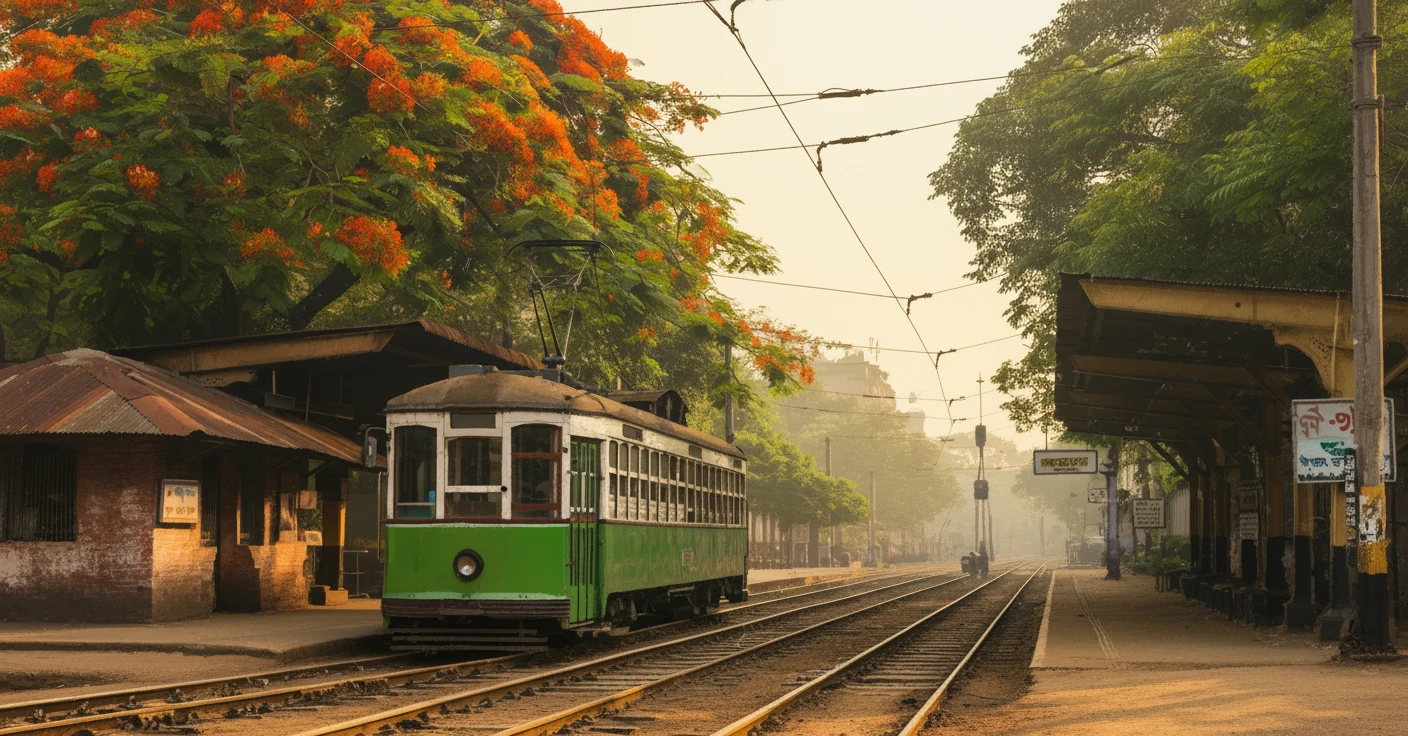
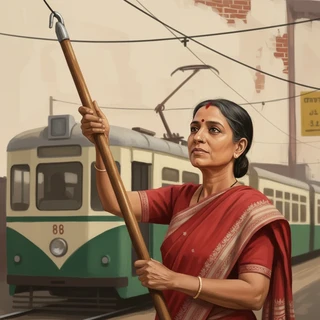
Mira Mukherjee is a 48-year-old tram-pole adjuster from Kolkata, India, who has spent over twenty years walking the routes between Esplanade and Howrah, easing trolley poles back onto their overhead wires. She learned chess at the depot canteen between runs, over chai and cracker biscuits with the older drivers, but she has never studied the game seriously. At an estimated 623 Elo, Mira sits firmly in improving-beginner territory: she can spot a simple one-move threat, but openings are unfamiliar ground and her pieces still slip off the wire in tangled middlegames. She plays the way she works the trams, slow, steady, faintly amused by anyone in a rush. Expect a calm opponent who rarely trades, keeps the position cluttered, and will happily push a coach forward to see what happens, occasionally handing back material when the line gets crooked.
How Mira plays
Mira plays with a strongly aggressive streak for her level, pushing pieces forward rather than holding back, and she almost never trades when she can keep the tension on the board. Her choices between solid and sharp lines are roughly balanced, and she follows no particular theoretical repertoire, picking moves by feel rather than memorised lines. The result is a cluttered, busy game where small tactical errors arrive on both sides.
Who should play Mira
Mira suits absolute beginners and improving players in the 400 to 800 range who want a friendly, low-pressure opponent to practise against. Players who tend to simplify too quickly will benefit from her habit of keeping pieces on the board, and anyone learning to punish loose, aggressive play will find plenty of openings to exercise basic tactical patterns and convert small material advantages into wins.