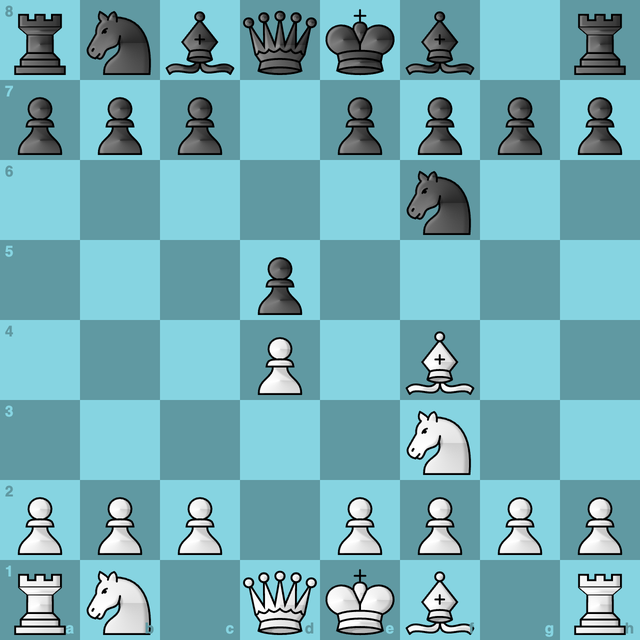
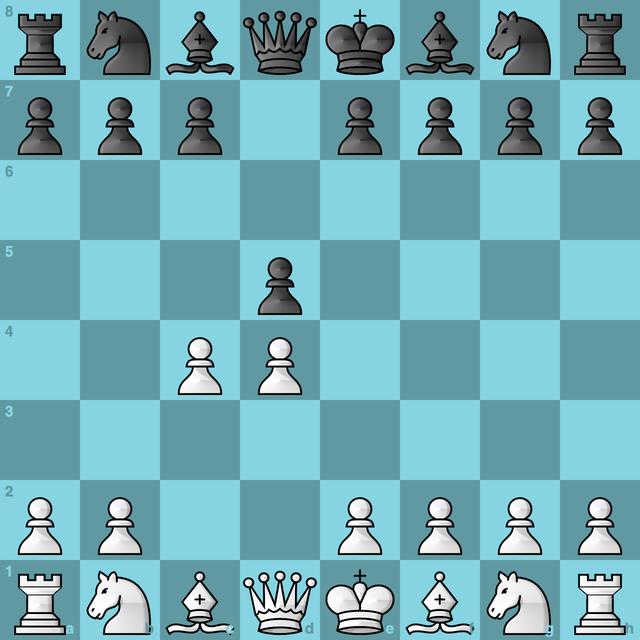
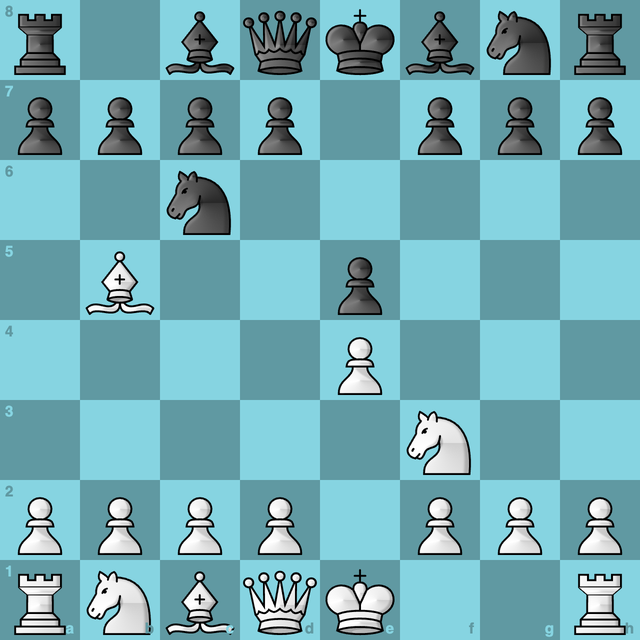
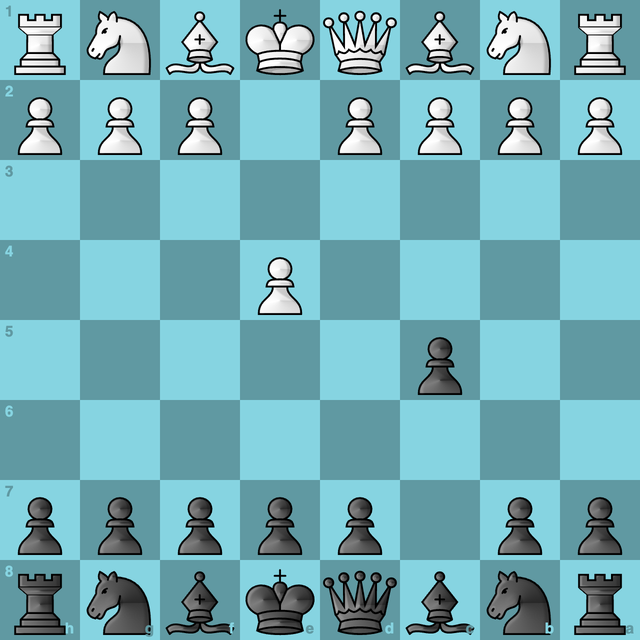
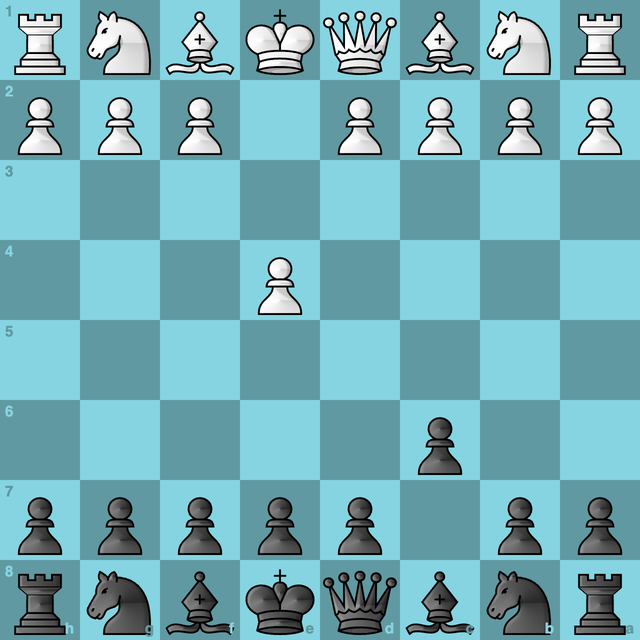
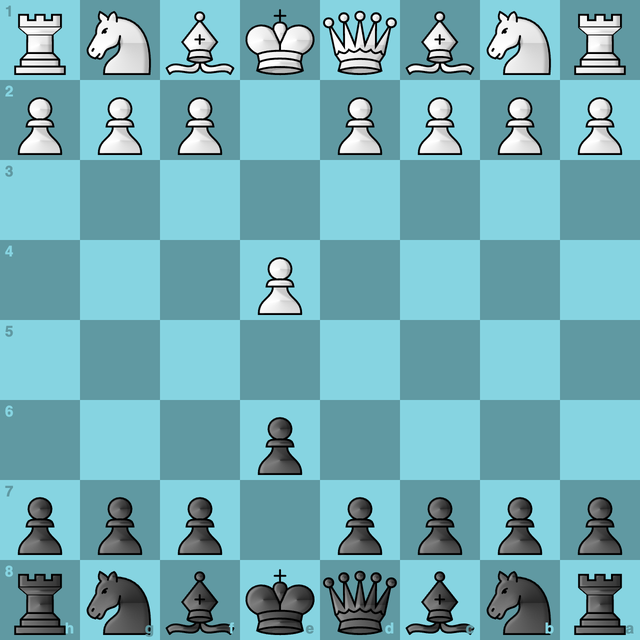
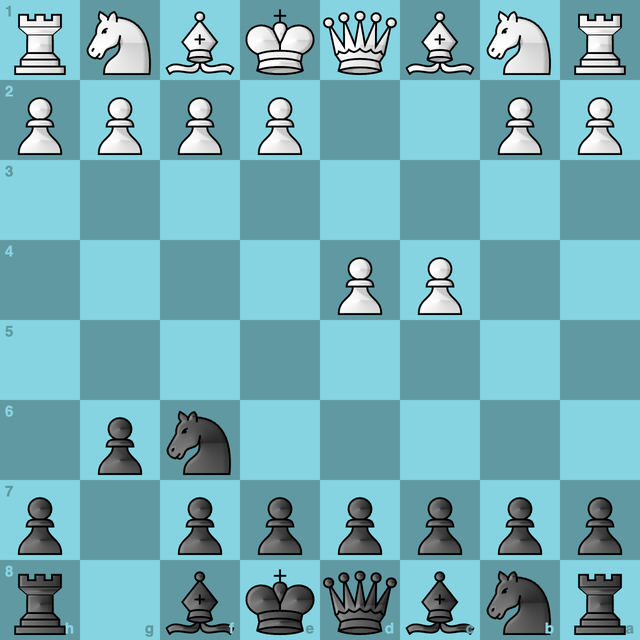
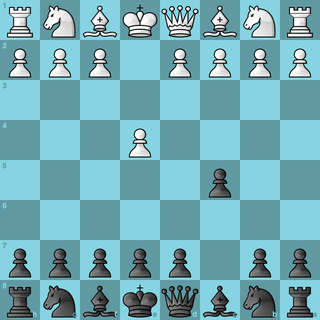
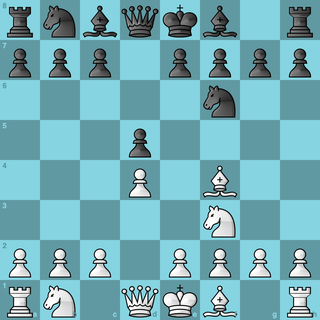
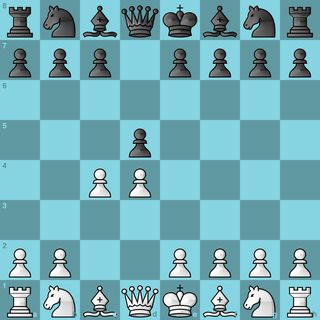
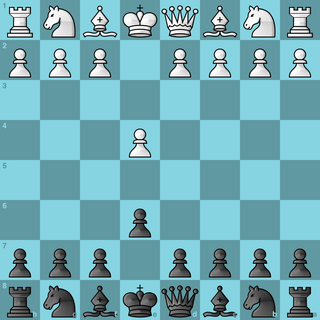
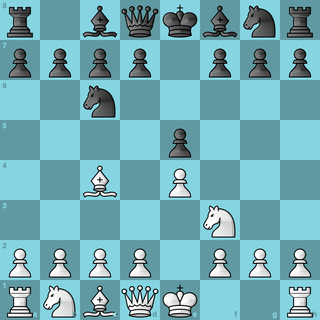
 White
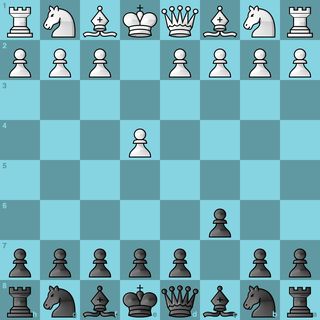 vs 1.e4
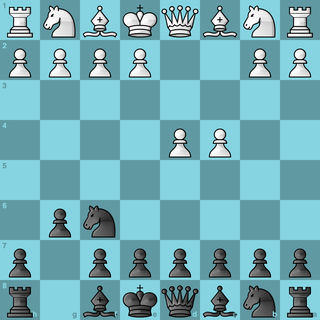 vs 1.d4
Pick Three Openings, Not Thirty
One for White, one each against 1.e4 and 1.d4.
Take the Italian Game, 1.e4 e5 2.Nf3 Nc6 3.Bc4. Where do you start?
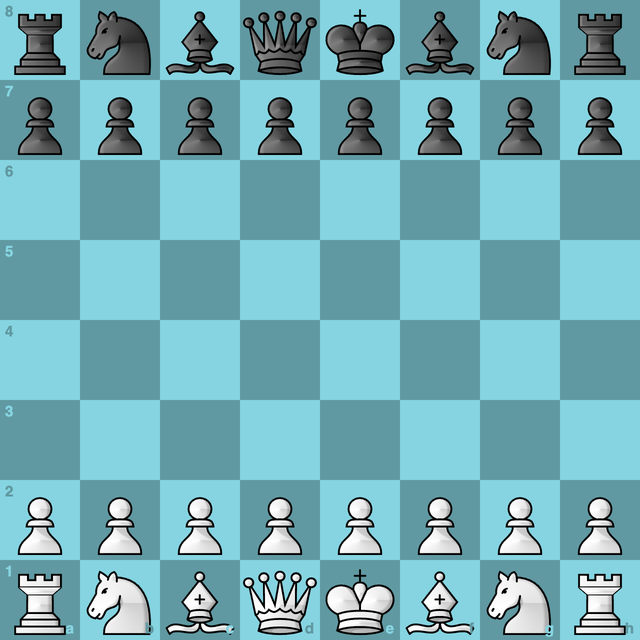
The bot plays the book with you, move for move. Leave the line and it plays on like any opponent.
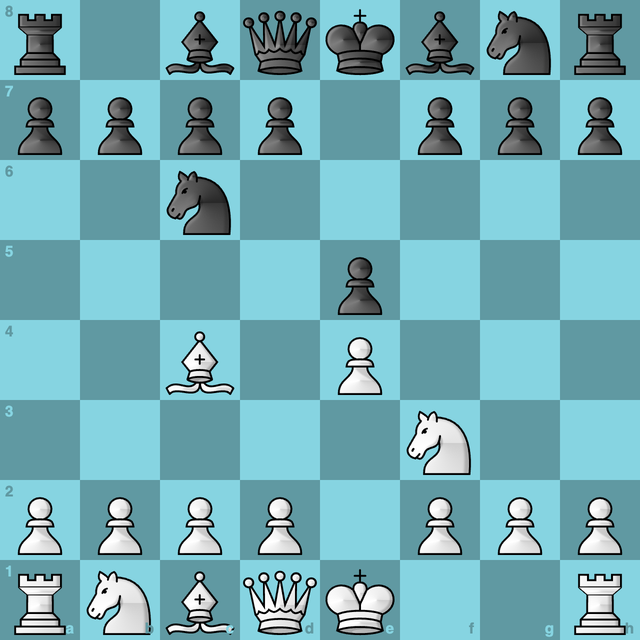
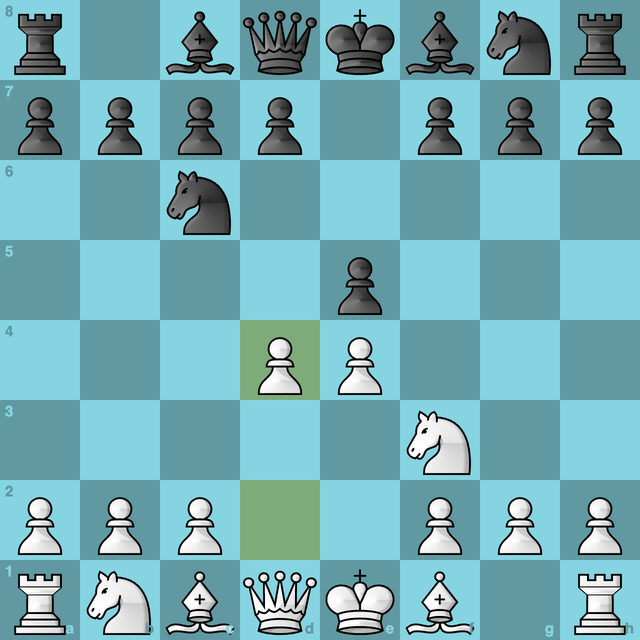
Skip the moves you know. Start after 3.Bc4 and play the middlegame.
1,100+ bots, beginner to 3000+. Each plays the position its own way.
 Beatriz Marchetti (246)Beginner
 Simran Kaur (1000)Novice
 Erzsébet Szabó (1502)Intermediate
 Luc Licht (2346)Skilled
 Siegbert Tarrasch (3130)Advanced
Guided Play
IM John Bartholomew coaches your side of the line: what the book plays, when you leave it, and when the theory ends.

IM John Bartholomew
Not a bad move, just not the Italian Game. The line continues with 3.Bc4. Want to take it back?
Lift a piece and a book icon marks the moves in the line.
Off the line? John says so once and offers the takeback.
Stuck? Hints say which piece the book moves and what most players choose.
When the line runs out, John tells you. Then it's just chess.
Six steps. They work at any rating.
Whitevs 1.e4vs 1.d4One for White, one each against 1.e4 and 1.d4.
Know what every move of the main line is for.
The bot plays the book with you. You find every move.
You vs.Luc Licht (2346)Start from the end of the line, against different bots.
Italian Game
Your best run shows where the line breaks.
Italian Game
Add the reply you meet most, then the next.
Most players learn openings backwards. They memorize ten moves of a line, meet something unexpected on move four and forget the rest by the next game. It works better the other way round: learn a few moves and why each one is played, use them in games straight away, and only go deeper where your games keep going.
You need one plan with White and one answer each to 1.e4 and 1.d4. That covers most of your games: in the opening book that Chessiverse's bots rated up to 800 play from, 1.e4 and 1.d4 make up 87% of first moves. Learn those three before you add anything else.
With White, the Italian Game and the London System are popular first choices: the Italian for open, tactical games, the London for a setup you can play against almost anything. Against 1.e4, the Caro-Kann, the French and the Scandinavian give Black solid positions with clear plans. Against 1.d4, the Queen's Gambit Declined and the Slav are classical and sound, and the King's Indian suits players who want to counterattack. For more options sorted by level and style, see the best chess openings for beginners and the best openings for White by rating and style.
A move you can't explain is a move you'll forget. For each move of the main line, know what it does: the square it fights for, the piece it frees, the plan it prepares. In the Italian Game, 3.Bc4 aims the bishop at f7, the weakest point in Black's camp. Once you know that, the follow-ups (c3 and d4, or a quick attack on f7) make sense on their own, and you don't need them memorized.
Every one of the 582 opening guides on Chessiverse sums up what the opening is trying to do, gives its main line and shows how often it's played and how it scores. Read the guide once before you play the opening, not five times.
This is where the moves stick. Reading a line teaches you to recognize it; playing it makes you find every move yourself, which is what you'll have to do in a real game. In Guided Play, pick the opening, choose Move 1 as the start, and the bot plays the book moves for its side for as long as you keep to yours.
At the easier help levels, lift a piece and a book icon marks the moves that stay in the line. Play something sound but different and IM John Bartholomew points out the book move once and offers to take yours back. When the line ends, he says so, and the bot plays on in its own style. Play the same opening three or four games in a row before switching: repetition is the point.
An opening is only worth what you can do with the middlegame it gives you. Once the moves come easily, start from the end of the line instead and play the position against different opponents. An aggressive bot will test your king; a solid one will make you find a plan of your own. You can try this without an account: every opening guide has a board that starts from the end of its line, against a bot you choose.
After a few games, look at where they left the line. If it's always the same move, that's the next thing to learn. Chessiverse keeps your best run in each opening (how many of the line's moves you followed, and how many times you've played it), and the By Opening tab on your stats page shows how you score in every opening you play.
When the main line is automatic, add the reply you meet most often, and nothing else yet. If your Italian Games keep turning into the Giuoco Piano, learn that next; if your opponents like gambits, look at the Evans Gambit from both sides. Each variation has its own guide and can be played from move one like any other opening. For a whole repertoire taught in order, an opening course does the sorting for you.
Books and videos are good for the ideas. Spaced-repetition trainers are good for drilling exact moves. Neither gives you the thing that makes an opening yours, which is playing it against someone who answers back. That's what bots are for. If you want to compare the tools side by side, see the best apps for practicing chess openings and chess opening practice tools compared.
Ideas, stats and a board to play it on, in every guide.
A full repertoire, with course bots that play its ideas.
Play it. Learn the main ideas, then play the line until the moves come without thinking. On Chessiverse a bot plays the opening with you from move one, so every game practices that exact line.
Open Guided Play, search for the opening, pick your color and opponent, and start from move one or from the end of the line.
One opening for White and one answer each to 1.e4 and 1.d4. Popular picks: the Italian Game or the London System for White, the Caro-Kann or the French against 1.e4, and the Queen's Gambit Declined or the King's Indian against 1.d4.
The game starts where the main line ends: for the Italian Game, after 1.e4 e5 2.Nf3 Nc6 3.Bc4. You skip the moves you know and practice the middlegame.
The bot plays on like a normal opponent. In Guided Play, John points out the book move and offers to take yours back.
Yes. Every variation is its own entry, so pick the Giuoco Piano or the Evans Gambit and the bot follows that line.
Not at first. Learn the main line and why each move is played. The moves stick faster in games than in drills.
582, from main lines to gambits and sidelines, each with its own guide.
Yes. Pick any of 1,100+ bots, from beginner to 3000+.
Yes. Every opening guide has a board where you play from the end of the line as a guest. An account adds John's coaching and your best run.