

Duncan Knott
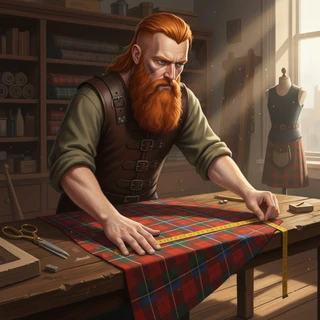
 Age 37 | Kilt Maker
Duncan Knott says: Stitching together the fabric of tradition, one move at a time.
- Rating
- 1769
- Playstyle
- Mediator
- Openings
- Classic

Playstyle
 Hunter
 Savage
 Guardian
 Observer
 Mediator

Mediators are the most flexible playstyle. Adapting to their opponent's moves and finding the best counterplay.
What the Axes Mean
- Aggressive
- Seeks attacks and initiative
- Defensive
- Prioritizes safety and solidity
- Simplifying
- Trades pieces, avoids chaos
- Complicating
- Keeps tension, creates complexity
Openings
What the Axes Mean
- Sharp
- Plays dynamic, double-edged openings
- Solid
- Prefers safe, positional systems
- Unprepared
- Varies openings, less predictable
- Theoretical
- Sticks to main lines, well-prepared
Repertoire
How often Duncan picks each line when you allow it
- English Opening72.4%
1. c4
Study Guide
The percentages indicate how likely the bot will play the opening if allowed by the opponent. The lines listed are the most common seen in the bot's games, but generally repertoires are quite broad, so you'll frequently see alternative lines, especially if the percentages are low.
Strength Profile
- Calibrated Rating
- 1769
Rating Trend
Performance vs Users
Similar Bots









About Duncan Knott
Duncan Knott says: Fàilte, clansfolk! Duncan Knott here, kilt maker frae Scotland... Pull up a stool, the board is braw. Hae ye heard the tale o' the pawn that climbed Ben Nevis in a storm? Aye, we'll play it oot noo... 🌸
Duncan Knott is a 37-year-old kilt maker from Scotland who brings the patience of his trade to the chessboard. His introduction describes him as someone who safeguards the nation's cultural heritage through traditional kilt making, and he treats chess as a similar exercise in careful craft. With an estimated rating of 1769, Duncan sits at the intermediate club level. That means he has a solid grasp of opening principles, can calculate two or three moves deep, and shows decent endgame technique, though he is not a deep theorist. No fixed opening repertoire is on file for him, so his choices stay general rather than tied to a particular system. His favorite quote, "Stitching together the fabric of tradition, one move at a time," reflects a steady, step-by-step approach. He keeps an old Scottish sporran as his lucky charm. Players who face Duncan can expect a balanced, slightly solid opponent who rarely blunders outright but can be outcalculated in sharper positions.
How Duncan plays
Duncan plays a balanced game with no strong lean toward attack or defense. He neither forces trades nor deliberately keeps tension, so positions develop naturally. His style tilts slightly toward solid lines over sharp ones, and he leans a little toward mainline ideas rather than offbeat surprises. Expect sensible development, careful structure, and tactics that rarely run deeper than two or three moves.
Who should play Duncan
Players rated roughly 1500 to 2000 will find Duncan a fair test. His balanced, slightly solid style suits club players who want to practice converting small advantages, building sharper attacks against a steady opponent, and sharpening endgame technique. Learners who tend to rely on quick tricks can also benefit, since Duncan defends reasonably but can be outcalculated by deeper tactics.
Frequently asked about Duncan
What rating is Duncan?
Duncan has an estimated rating of 1769. That places him at the intermediate club player level, with a solid opening grasp, two to three moves of calculation, and decent endgame technique.
What opening does Duncan play?
Duncan has no fixed repertoire on file. His play leans slightly toward mainline theory and solid structures, but he does not commit to one named system.
How can intermediate players use Duncan to improve?
At 1769, Duncan is a good sparring partner for players around the same level who want to test their calculation beyond two or three moves. His slightly solid, balanced style rewards patient play, so intermediate players can practice creating imbalances, setting tactical traps, and converting small edges in the endgame. Reviewing games afterward to spot where deeper calculation decided the result is an effective way to learn.