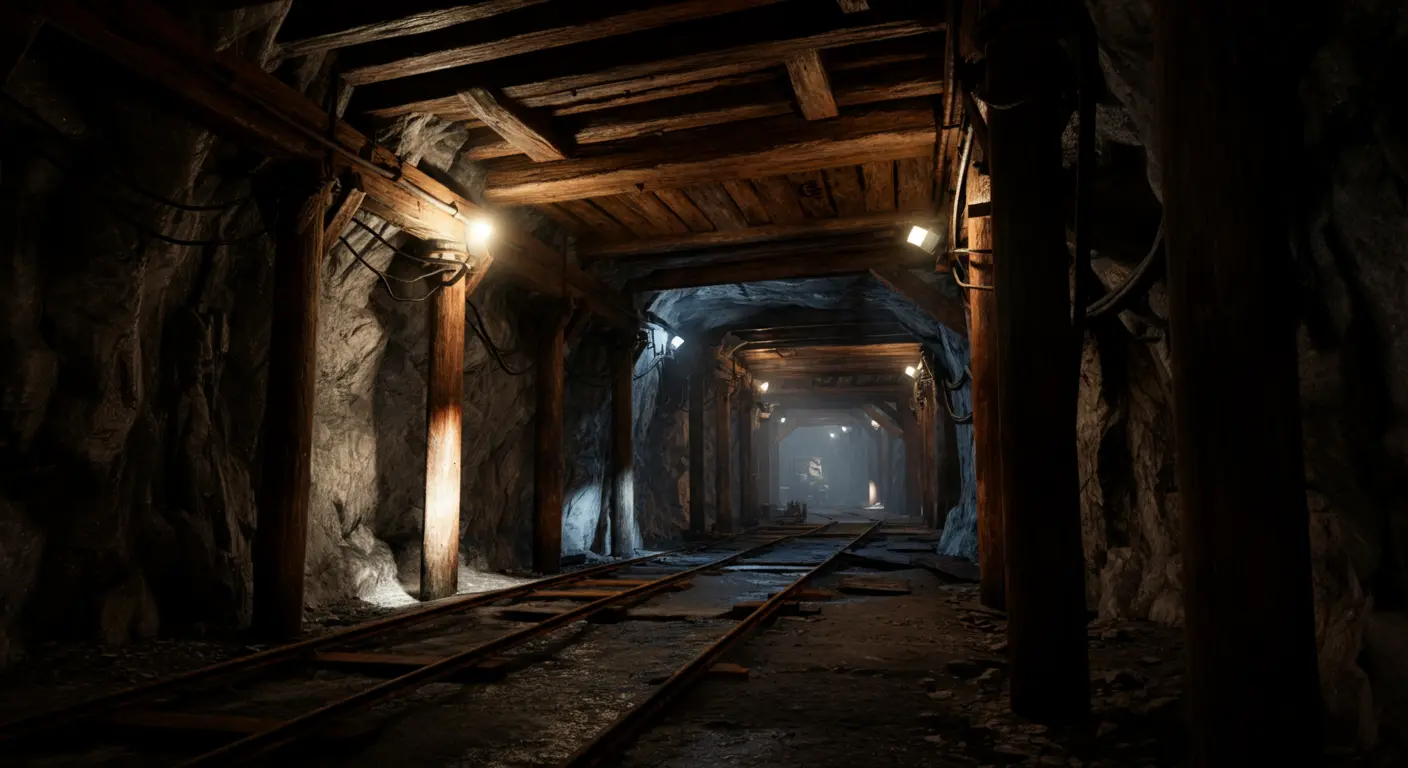
Yo... stepped outta the mine, dust still on me... board's set, ya know? 🚦 Watchin' every square like a hawk over Brooklyn rooftops... shadows movin', bishop's blind spot... checkmate da chaos. Pull up a seat... let's dig.
Li Wei is a 25-year-old coal miner from China whose underground work ethic carries straight to the chessboard. Rated around 1831, Wei sits comfortably in strong club-player territory, with a refined positional sense and a reliable tactical eye built over years of steady play. He favors classical lines as White, most often steering games into the Queen's Gambit, where his patient temperament thrives in slow positional grinds reminiscent of a closed Sicilian structure. Wei approaches each move the way he approaches a shift in the mine: methodical, careful, focused on small advantages that compound over time. He knows the main lines of his openings without claiming mastery of theory's deeper corners. Anyone sitting down across from Wei should expect a calm, principled opponent who keeps tension on the board, rarely simplifies into trades, and waits patiently for the chance to convert a long-term edge.
How Wei plays
Wei plays with quiet aggression, pressing forward when the position invites it but never abandoning structure. He strongly prefers to keep pieces on the board rather than trade down, building complex middlegames where his positional sense pays off. His repertoire leans on classical mainlines like the Queen's Gambit and the Italian Game, balanced between solid and sharp lines depending on what the opponent allows.
Who should play Wei
Wei suits players in the 1600 to 2000 range looking for a serious club-level test. Improving players will benefit from his refusal to simplify, since converting against him demands patience in cramped, piece-heavy middlegames. Aggressive attackers learn to respect structure against Wei, while positional players get a calm sparring partner who rewards accurate long-term planning over flashy tactics.