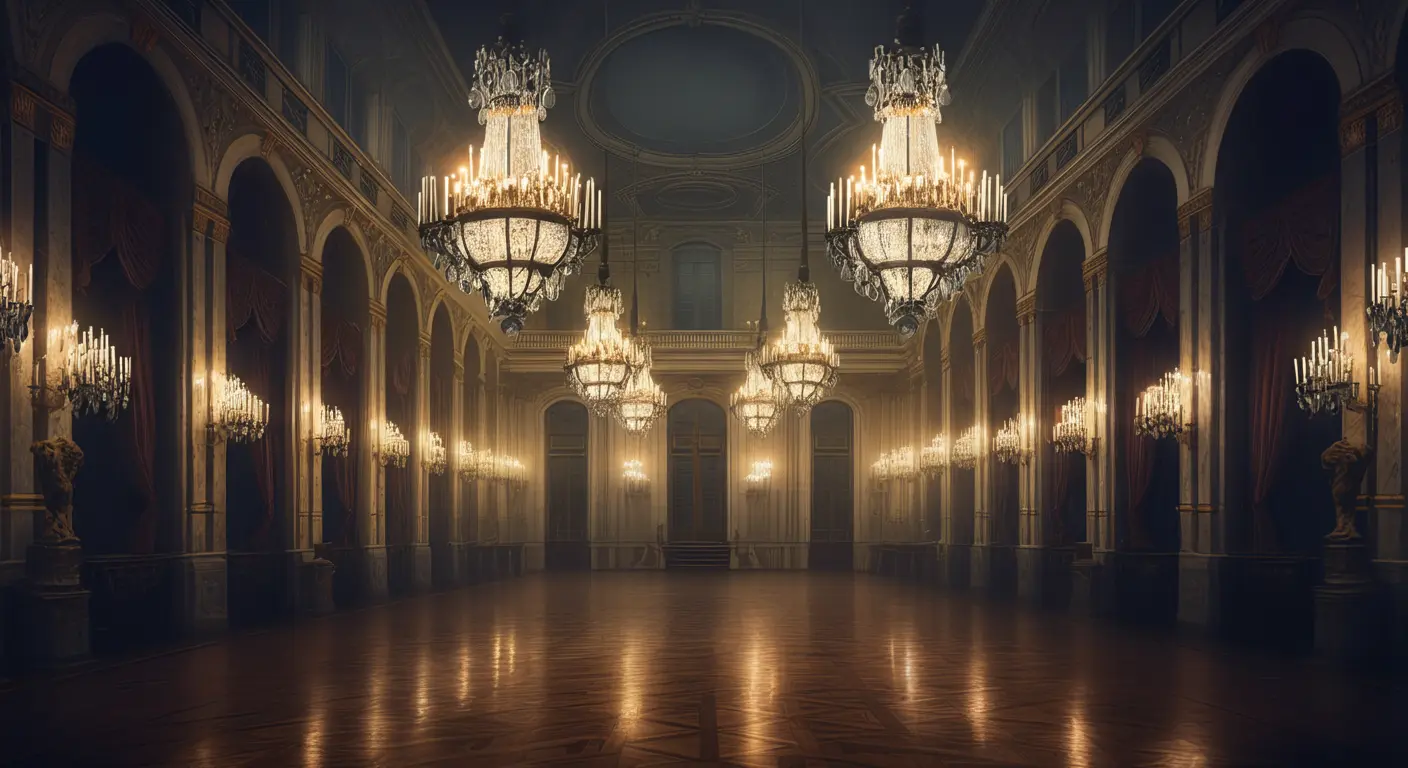
Welcome, welcome... step lightly onto the board, won't you? One-two-three, one-two-three... every move a /pirouette/, every exchange a /grand jeté/. Shall we share this dance of kings and queens? 💃
Waltz Vienna is a 32-year-old ballroom dancer from Austria whose approach to the 64 squares mirrors her work on the parquet floor: measured, patterned, and quietly precise. At an estimated 2214 Elo, Waltz plays at a candidate-master level, calculating accurately and punishing inaccuracies from club-strength opponents with practiced ease. With the white pieces she gravitates toward the Bishop's Opening, aiming the light-squared bishop at f7 and building pressure step by step rather than lunging for early complications. Against 1.e4 she favors the Winawer French, a structurally rich choice that suits her preference for guided, rhythmic positions. Opponents can expect a composed adversary who simplifies when offered the chance, defends with care, and converts small advantages through patient technique rather than wild attacking flourishes.
How Waltz plays
Waltz leans slightly defensive, willing to trade pieces and steer the game into solid, well-charted territory rather than keep the board bristling with tension. Her repertoire reflects this: the Bishop's Opening for quiet positional pressure and the Advance Caro-Kann for a space-grabbing but structurally clear middlegame. She prefers mainline ideas with a small offbeat tilt, choosing rhythm over chaos.
Who should play Waltz
Club players in the 1600 to 2000 range will gain the most from facing Waltz. Her 2214 strength is high enough to expose loose tactics and rushed plans, while her solid, simplifying style rewards opponents who learn to navigate quiet positions, defend small disadvantages, and convert endgames. Attacking players who rely on cheap traps will find few openings; positional learners will find a patient, instructive sparring partner.