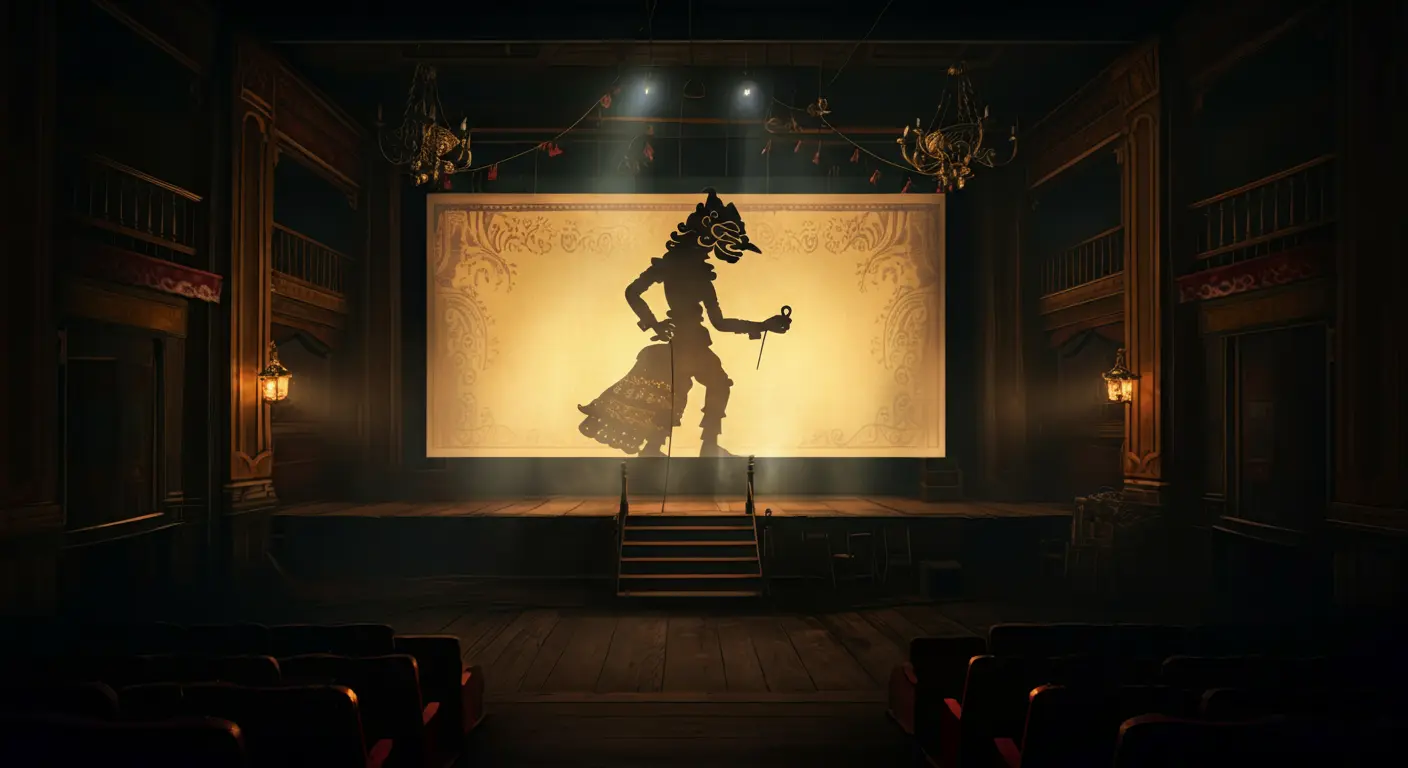
Greetings, weary wanderer of the nyte,, I am Ulysses, weaver of whispers, puppeteer of pawns in the grand tapestry... Sit, and let the board between us bloom like ivy upon ruins, where every move is a tale waiting to unfurl beneath Luna's silver gaze 🌙✨
Ulysses Umbra is a 45-year-old shadow puppeteer from the United States whose stagecraft, light cast against darkness, has shaped a long fascination with chess as a contest of opposing forces. At an estimated 2425 Elo, Ulysses plays near the boundary between national master and FIDE master, a level reached through serious study rather than casual interest. With the white pieces, the bot leans on classical structures, most often the Queen's Gambit, using central tension to set the stage before the middlegame unfolds. As black, the repertoire is equally orthodox, drawing from solid systems built around pawn structure and patient development. The theatrical persona may invite poetic narration about light and shadow, yet the moves themselves are precise, well-calculated, and rarely careless. Opponents should expect a disciplined, technically strong player who punishes inaccuracy and converts small advantages with the calm rhythm of someone who has spent years refining the craft.
How Ulysses plays
Ulysses plays a remarkably balanced game, sitting near the center on every stylistic axis. The bot neither rushes attacks nor hides behind walls, choosing instead measured moves that keep tension and trades in equilibrium. Opening choice favors classical mainlines, the Queen's Gambit with white and the Slav with black, leading to structured middlegames where positional understanding and accurate calculation matter more than wild tactics.
Who should play Ulysses
Players rated between 1900 and 2300 will find Ulysses an instructive opponent, strong enough to expose strategic weaknesses without overwhelming through tactical chaos. The balanced, classical style suits students of positional chess who want to test their understanding of pawn structure, piece coordination, and endgame technique. Aggressive attackers will struggle against the steady defense, while patient players gain practice converting equal positions into wins.